
Dubai’s $35 Billion Aviation Bet, Redefining Global Mobility and Strategic Wealth Positioning
A next-generation airport designed to become the largest on Earth signals more than infrastructure expansion, it reflects a long-term vision of global connectivity, capital flow, and strategic positioning.
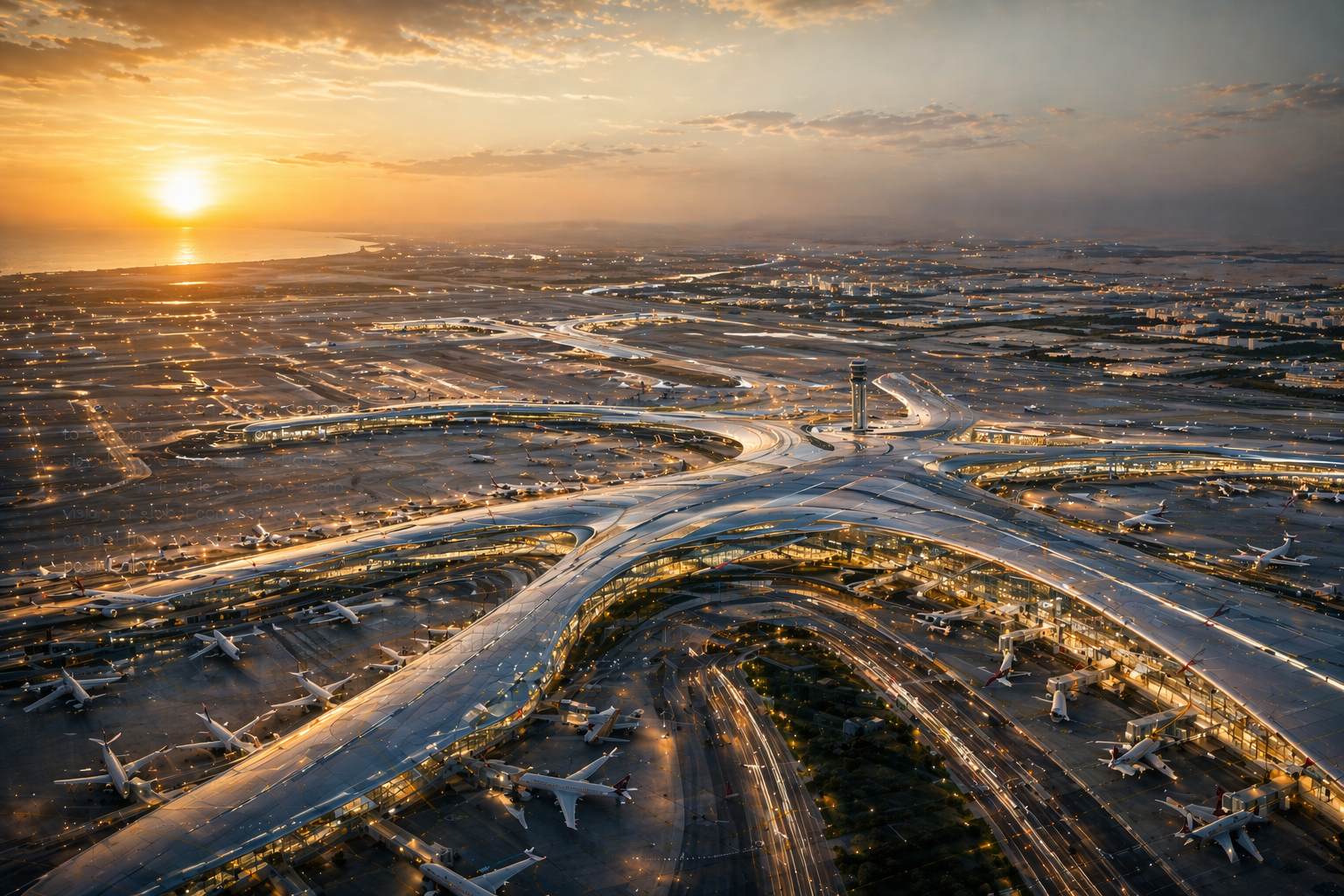
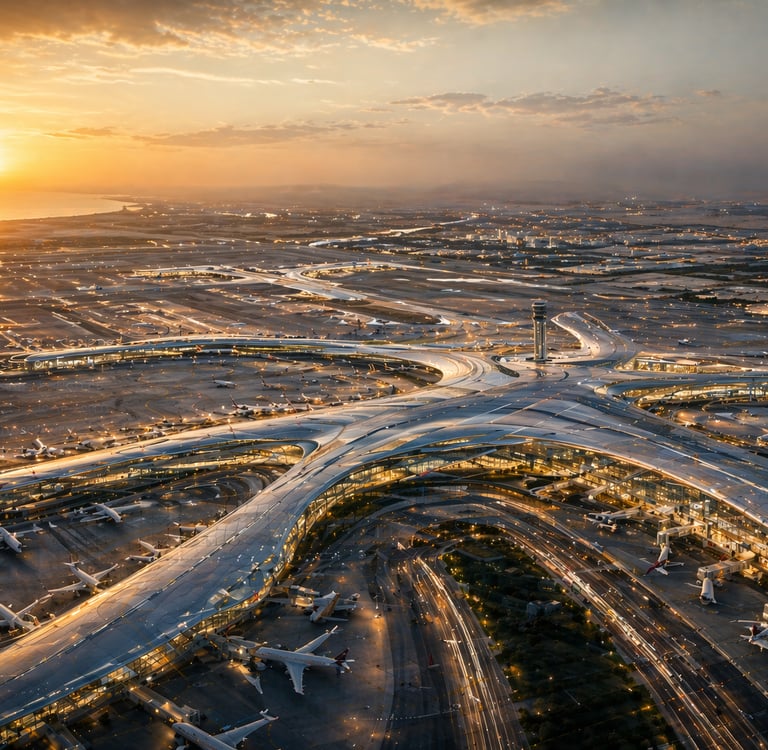
Dubai is once again redefining the scale of ambition. With the announcement of a $35 billion investment into what is set to become the largest airport in the world, the emirate reinforces its position not merely as a global transit hub, but as a central node in the architecture of international wealth, mobility, and economic influence.
The expansion of Al Maktoum International Airport, part of the broader Dubai South master plan, is not just an infrastructure project. It is a calculated move within a long-term geopolitical and economic strategy, one that integrates logistics, aviation, real estate, and global capital flows into a unified ecosystem.
Once completed, the airport is expected to handle up to 260 million passengers annually, surpassing all existing aviation hubs. Yet, the scale alone is not the most relevant factor. What truly matters is what this scale enables.
Aviation as Infrastructure for Wealth Movement
For globally mobile individuals and families, infrastructure defines opportunity. Airports are no longer just transit points, they are gateways that shape where capital moves, where businesses expand, and where families choose to establish long-term presence.
Dubai’s investment signals a clear understanding of this dynamic. By building the world’s largest airport, the emirate is effectively strengthening its position as a preferred jurisdiction for international structuring, asset protection, and cross-border wealth management.
This level of connectivity reduces friction in global operations. It enhances access to multiple jurisdictions and supports the growing demand for efficient international mobility, particularly among high-net-worth individuals and family offices operating across continents.
Integration with a Broader Economic Vision
The airport is not being developed in isolation. It is part of a broader economic blueprint that includes free zones, financial centers such as DIFC, and a regulatory environment designed to attract international capital.
This integrated approach creates a highly efficient ecosystem where logistics, finance, and governance align. For families and investors, this translates into a jurisdiction that offers not only accessibility, but also structural advantages in terms of tax efficiency, asset protection, and long-term planning.
Dubai is not competing on infrastructure alone. It is competing on its ability to offer a comprehensive platform for global life and wealth structuring.
Implications for Global Families and Investors
For internationally exposed families, this development reinforces a broader trend. Strategic jurisdictions are increasingly defined by their ability to combine connectivity, regulatory sophistication, and economic stability.
The expansion of Dubai’s aviation capacity directly supports this positioning. It enhances the city’s role as a base for international operations, facilitates multi-jurisdictional structures, and strengthens its appeal for those seeking to diversify geographic risk.
In practical terms, this means more than easier travel. It means greater operational flexibility, improved coordination between global assets, and a more resilient framework for long-term wealth preservation.
A Structural Shift, Not a Symbolic Project
It would be a mistake to view this project as symbolic or purely aspirational. Dubai has consistently demonstrated its capacity to execute large-scale developments with precision and strategic intent.
This airport represents a structural shift in how the region positions itself within the global economy. It reflects a forward-looking approach that anticipates the needs of a world where capital, people, and businesses operate without traditional geographic limitations.
For those structuring wealth across borders, these shifts are not abstract. They directly influence decision-making around residency, asset allocation, corporate structuring, and succession planning.
Conclusion
Dubai’s $35 billion airport is more than an engineering milestone. It is a strategic instrument, designed to reinforce the emirate’s role as a global hub for mobility, capital, and long-term wealth structuring.
In an increasingly interconnected world, infrastructure of this scale becomes a decisive factor. It shapes not only how people move, but where wealth is positioned, protected, and perpetuated.
If your wealth strategy involves multiple jurisdictions, global mobility, and long-term legacy planning, the underlying infrastructure matters more than ever.
Larson Wealth & Legacy supports families and investors in structuring robust, compliant, and future-oriented international frameworks.
Connect with our team to explore how Dubai’s evolving ecosystem can be strategically integrated into your global wealth architecture.
LARSON WEALTH & LEGACY 2026. ALL RIGHTS RESERVED
We do not carry out any activity in the United Arab Emirates regulated by the Central Bank of the UAE, the SCA, the Insurance Authority or the DFSA, unless expressly authorized. Any references to investments, financial products, trusts or similar structures are for general informational purposes only and do not constitute an offer of regulated services in the UAE or the DIFC.


Developed by: AVANCE propaganda